Sold Out Before the Single: How Live Shows Became Music's Real Business Model
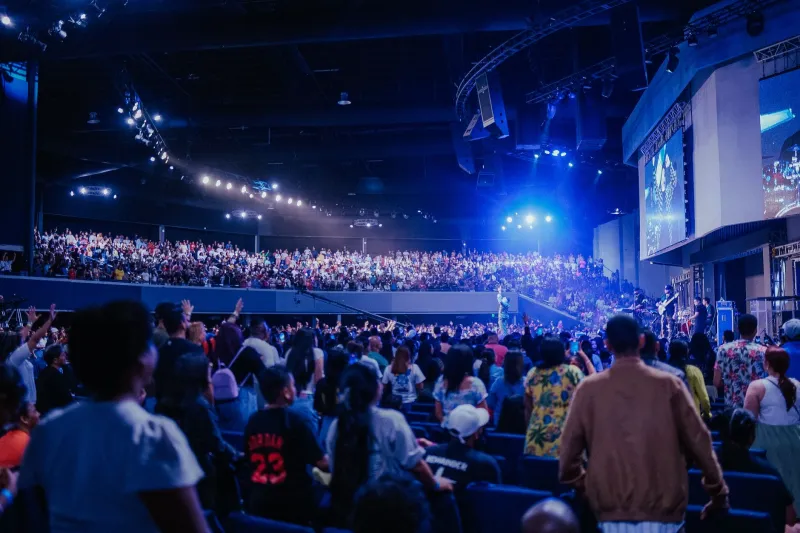
There was a time when the album was the product and the tour was the advertisement. Those days are gone — and the receipts prove it. Today, the stage is the store, the ticket is the purchase, and the record is basically a really expensive business card.
Look at the numbers. In recent years, the top one percent of touring acts have pulled in the overwhelming majority of live music revenue in the US, while recorded music — despite billions of streams — often functions as a loss leader. A pop star can log a billion Spotify plays and take home less than a mid-tier country act clears on a single weekend of shows in Texas. The math isn't subtle.
Why the Playlist Stopped Paying
Streaming transformed how Americans consume music, but it never solved how artists get paid. At roughly a fraction of a cent per stream, even a viral hit rarely covers the cost of making it. Meanwhile, a sold-out theater run at $150 a ticket generates revenue that no playlist placement can touch.
So artists adapted. Albums became marketing events — trailers for the real product. Release a record, chart on the Hot 100, then announce a tour within weeks while attention is at its peak. The recording fuels the demand; the live show monetizes it.
It's why so many major releases now feel incomplete without a corresponding amphitheater announcement. The album is the invitation. The tour is the party you pay to attend.
Luxury Pricing, Mass Demand
Here's where it gets uncomfortable. Touring didn't just become the main revenue stream — it became a luxury market. Dynamic pricing, platinum tickets, and VIP packages have pushed the cost of seeing a stadium act into the hundreds, sometimes thousands, of dollars.
The Ticketmaster meltdown around Taylor Swift's Eras Tour presale wasn't an anomaly. It was a stress test that revealed how much demand exists for a limited supply of seats — and how little infrastructure exists to distribute them fairly. When the Senate holds hearings about concert ticketing, you know the economics have gotten weird.
Artists like Swift have leaned in the other direction, but even well-intentioned pricing can't hide the structural shift: live music has become an experience economy product, competing with vacations and designer goods rather than other albums.
The Fan-Financed Album
There's a strange circularity to modern music economics. Fans buy tickets, the tour generates cash, and that cash funds the next record — which exists to sell more tickets. The audience has effectively become the venture capital firm.
This works beautifully for established stars with leverage over promoters and venues. It works far less well for everyone else. Opening acts still tour on splits that would've been familiar to musicians in 1985. Regional acts grind through van tours hoping a viral moment converts into actual ticket sales.
Who Gets to Have a Career?
The tour-first era has quietly raised the barrier to entry. You no longer just need a great song — you need a live show worth $80 a ticket, a routing strategy, and the stamina to perform 100 nights a year. Charisma on camera doesn't pay the bus.
It also skews the playing field toward artists with existing wealth, label backing, or decades of catalog to tour behind. Legacy acts now dominate year-end touring charts, which is great news for boomers with guitars and tough news for a 22-year-old with a SoundWave hit and no road experience.
None of this means recorded music is dead. Streaming still drives discovery, charts still shape culture, and a Hot 100 debut still moves tickets. But the power dynamic has flipped for good: the chart is the pitch, and the parking lot outside the arena is where the money actually changes hands.
The next time your favorite artist drops a surprise single, don't think of it as a gift. Think of it as a save-the-date — one with a service fee attached.