Paid to Play: How TikTok Creators Quietly Became Music's New Power Brokers
For decades, the music industry's dirtiest open secret was payola — labels slipping cash to radio programmers to spin their artists' songs into hits. Congress cracked down on it. The FCC made it illegal without disclosure. Radio stations got fined. Executives got embarrassed. And the industry swore it had cleaned itself up.
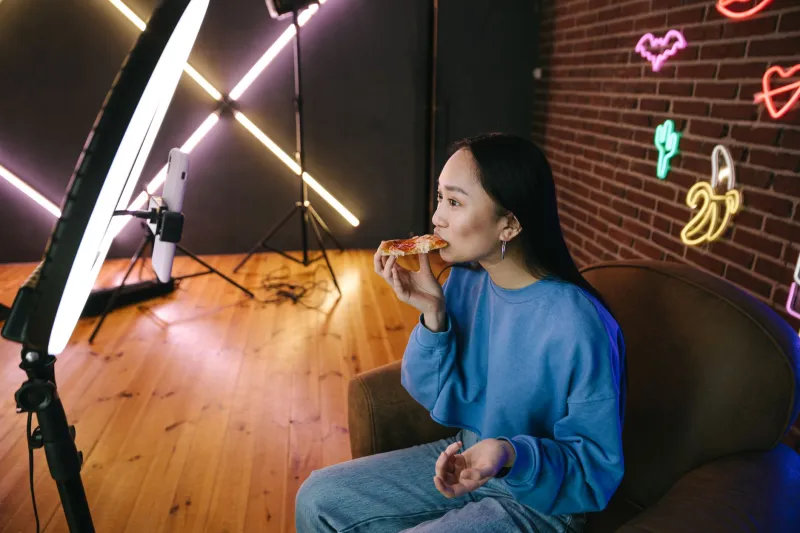
Fast forward to 2024, and something that looks uncomfortably familiar is playing out across TikTok's For You pages. The currency has changed. The middlemen have changed. But the core transaction — money exchanged for manufactured exposure — is very much alive, just wearing a hoodie and filming in ring light.
How the System Actually Works
Here's the basic setup: A label wants to break a new single. Instead of calling a radio program director, they contact a talent agency or influencer marketing platform that manages relationships with TikTok creators — everyone from mega-influencers with 10 million followers down to micro-creators with 50,000. The label pays for a campaign. Creators post videos using the song. The song racks up streams and user-generated content. Billboard's chart metrics pick it up. The song charts. The label calls it organic.
Multiple creators who spoke to Billoard — most requesting anonymity because they feared losing future brand deals — described receiving payments ranging from a few hundred dollars to well over $10,000 per post, depending on their follower count and engagement rate. The ask is almost always the same: use this sound, make it feel natural, don't make it look like an ad.
That last part is where things get murky.
FTC guidelines technically require disclosure when creators are paid to promote something, including music. But enforcement in this space has been spotty at best, and the music industry has exploited that gap aggressively. Unlike a sponsored skincare post where #ad is practically expected, a creator dancing to a new song doesn't trigger the same mental alarm bells for viewers — even when that creator got a direct deposit to do exactly that.
Leaked Contracts Tell the Story
Several contracts shared with Billoard from influencer marketing campaigns run on behalf of major label imprints tell a pretty detailed story. The language is careful — creators are typically described as being paid for "content creation services" rather than promotion. Some contracts include specific instructions: post between 6 and 9 PM Eastern, use the original audio rather than a remix, include at least three seconds of the hook audible in the video. One contract reviewed by Billoard explicitly prohibited creators from disclosing the commercial nature of the arrangement unless "required by applicable law" — a clause that legal experts say is itself likely a violation of FTC rules.
"The contracts are written to give everyone plausible deniability," one entertainment attorney told Billoard. "The label can say they just hired creators for content. The creator can say they just made a video. And nobody has to say the word 'payola' out loud."
Micro-Influencers Are the Real Engine
If you're picturing this as a game dominated by celebrities with massive followings, you're missing where most of the action actually happens. Industry insiders say the real workhorse of these campaigns is the micro-influencer tier — creators with anywhere from 10,000 to 500,000 followers whose content tends to feel more authentic and whose audiences are often more engaged than those following mega-stars.
A single campaign might deploy 200 to 300 micro-creators simultaneously, flooding the zone with content that makes a song feel like it's everywhere at once. Because each individual post looks organic and personal, the cumulative effect reads as a genuine cultural moment rather than a coordinated marketing push. TikTok's algorithm, which rewards early engagement signals, does the rest.
"You can manufacture the appearance of virality well enough that the algorithm just takes over," said one digital marketing strategist who has run campaigns for multiple major labels. "At some point the paid push becomes real momentum. You can't always tell where one ends and the other begins."
That ambiguity is the whole point.
What This Does to the Charts
Billboard's Hot 100 incorporates streaming data, digital sales, and radio airplay. TikTok activity doesn't count directly — but it drives Spotify and Apple Music streams that absolutely do. When a song gets blasted across thousands of TikTok posts in a 48-hour window, streams spike. When streams spike, chart positions move. When chart positions move, radio programmers pay attention and add the song to playlists. The manufactured moment becomes a real one, at least on paper.
This creates a feedback loop that's genuinely hard to untangle. Authentic viral songs — the ones that blow up because a creator happened to find the perfect moment for a sound — still exist. But they're now competing in an environment where deep-pocketed labels can essentially simulate that same phenomenon on demand. For independent artists without that infrastructure, the playing field has tilted in ways that would feel very familiar to a struggling musician from 1975 trying to get their record on the radio without the right connections.
"It's payola with extra steps," said one veteran music journalist who has covered the industry for over two decades. "The technology is different. The scale is different. The vibe is different. But the principle — money buys access to ears — hasn't changed at all."
The Creators Caught in the Middle
Not every creator doing these deals feels great about it. Several told Billoard they've turned down campaigns because the song genuinely wasn't something they'd post about otherwise, worried about losing credibility with audiences who trust their taste. Others are more pragmatic: content creation is their job, and music promotions pay better than most brand deals.
What almost everyone agrees on is that the lack of clear industry standards has created a chaotic, inconsistent environment. Some creators disclose, many don't. Some labels require it, many explicitly discourage it. The result is an ecosystem where audiences can't reliably tell the difference between a creator who genuinely loves a song and one who got paid $2,500 to act like they do.
Is Anyone Watching?
The FTC has issued updated influencer disclosure guidelines and sent warning letters to various industries, but music-specific enforcement has lagged. Congress has shown little appetite to revisit payola laws for the streaming era. TikTok itself has a Creator Marketplace that's supposed to formalize paid partnerships, but plenty of label campaigns route around it entirely through third-party agencies.
For now, the system hums along largely unchecked. Songs chart. Labels celebrate. Creators cash checks. And somewhere out there, a genuinely independent artist with no marketing budget is watching their organic moment get buried under a coordinated paid campaign they didn't even know was happening.
The radio era's payola scandals eventually forced real accountability. Whether this new version of the same game gets the same treatment — or whether it just keeps getting faster and harder to see — is still very much an open question.