Throwback Trap: Why Bringing Back '90s and 2000s Sounds Keeps Falling Flat on the Charts
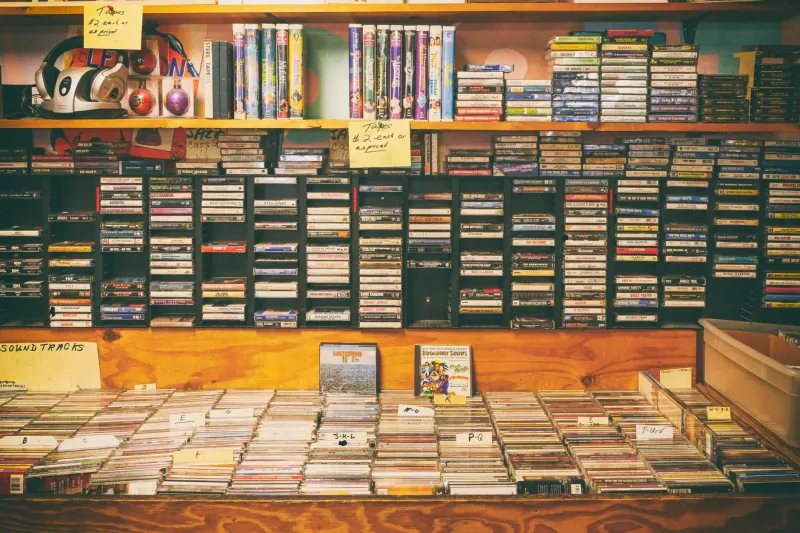
Every few months, the music industry rolls out another carefully packaged nostalgia play. A-list artist. Massive rollout. Carefully crafted aesthetic that screams a specific era — low-rise jeans, flip phones, frosted tips, whatever visual shorthand signals "remember this?" And then the streams trickle in, the chart position lands somewhere in the 40s, and everyone quietly moves on.
It keeps happening. And yet labels keep trying.
So what's actually going on? Why does the music industry keep reaching into the past only to come up empty on the Hot 100?
The Nostalgia Economy Isn't What Labels Think It Is
Here's the thing about nostalgia: it's a feeling, not a purchase order. People will absolutely light up when they hear a Destiny's Child sample or catch a whiff of early 2000s pop-punk energy on a TV commercial. That emotional response is real. But there's a massive difference between feeling nostalgic and actively streaming a new song that mimics an old sound.
Music historians and chart analysts have been pointing this out for years, and the data keeps backing them up. "Nostalgia functions as a kind of cultural shorthand," says one music industry researcher who studies chart trends. "People recognize the reference and feel warmly toward it. But warm feelings don't automatically translate into repeat plays, and repeat plays are everything in the streaming era."
The Hot 100 is now heavily weighted toward streaming numbers, and streaming rewards compulsive replays. You don't replay something because it reminds you of 2003. You replay it because it hooks you right now, in 2024, on your commute or your workout or your 2 a.m. scroll session.
The A-List Problem
Labels tend to double down on nostalgia projects when they can attach a big name to them. The logic makes sense on paper: take a sound people already love, pair it with an artist people already follow, and you've got a built-in audience. But that math has been coming up wrong over and over again.
When a superstar drops a track with heavy late-'90s R&B production or a 2000s pop-punk guitar riff, their existing fanbase often reacts with mild confusion rather than enthusiasm. Younger listeners — the ones who actually drive streaming volume — didn't live those eras. They know them as aesthetic references from TikTok, not as emotional touchstones. And older listeners who genuinely remember those years? They're often not the ones pushing songs up the Hot 100.
"There's a generational mismatch that labels consistently underestimate," notes one chart analyst who tracks weekly movement on the Billboard Hot 100. "The people who feel the deepest nostalgia for that era aren't always the heaviest streamers. You end up with a lot of social media buzz and not a lot of actual chart movement."
That gap between online noise and chart performance is one of the most consistent patterns in recent music industry data. A song can trend on Twitter, generate think pieces, and rack up YouTube comments from people saying "this takes me back" — and still stall out before the top 20.
When the Formula Just Doesn't Port Over
There's also a production problem that doesn't get talked about enough. The sounds that defined the '90s and early 2000s were products of specific technological limitations and studio cultures. Trying to recreate them in 2024 almost always produces something that feels slightly off — too polished, too self-aware, too clearly referencing rather than being.
Actual hit songs from those eras weren't trying to sound like anything. They were just what music sounded like at that moment. When you deliberately engineer a throwback, you're essentially building a replica of a house rather than a home. It looks right from the outside, but it doesn't feel lived-in.
Listeners pick up on this, even if they can't articulate it. The uncanny valley of nostalgia music is real. Something sounds familiar but slightly hollow, and that hollowness is exactly what kills replay value.
"The most successful nostalgia-adjacent songs in recent years haven't been straight revivals," says one producer who's worked on multiple major label projects. "They've been songs that feel contemporary but pull one or two elements from an older era. That's very different from just rebuilding the whole aesthetic from scratch."
The Streaming Behavior Nobody Wants to Acknowledge
Here's the uncomfortable truth buried in all of this: streaming data shows that listeners are highly present-tense in their habits. The songs that dominate the Hot 100 week after week tend to be the ones that feel urgent and current — tracks that soundtrack right now rather than then.
Algorithmic playlists, which now control a significant chunk of how music gets discovered and consumed, are optimized for engagement and mood rather than cultural memory. Spotify's algorithmic engine doesn't care if a song sounds like 1998. It cares whether users are skipping it or letting it play through. And throwback-style tracks, data suggests, get skipped at higher rates by younger users who weren't around for the original.
This creates a feedback loop that's brutal for nostalgia projects. Lower completion rates mean less algorithmic push, which means less discovery, which means weaker streaming numbers, which means a disappointing chart position, which means the project gets quietly shelved while the label starts planning the next throwback attempt.
So Why Does the Industry Keep Doing It?
The honest answer is that nostalgia projects are relatively easy to greenlight. The cultural reference points are established, the marketing angles write themselves, and there's always a pitch meeting where someone can point to a viral TikTok trend and say "see, people love this era." Viral trends and chart performance are not the same thing, but in a meeting room, they can look convincingly similar.
There's also the licensing and catalog angle. Major labels with deep archives have financial incentives to keep older sounds in cultural circulation. A successful nostalgia revival doesn't just chart — it also drives streams back to the original catalog, boosts sync licensing opportunities, and keeps older artist brands relevant. Even a mid-charting throwback project can be profitable if it moves the needle on back catalog revenue.
But for artists and fans expecting a genuine chart moment, the pattern stays frustratingly consistent: the hype builds, the release lands, and the Hot 100 responds with a collective shrug.
What Actually Works
The rare exceptions to this pattern are instructive. The nostalgia-adjacent tracks that do break through tend to share a few things in common: they're not trying to recreate a sound wholesale, they're anchored by an artist who already has active streaming momentum, and they bring something genuinely new to the table rather than just cosplaying a previous decade.
In other words, the formula that works isn't really a nostalgia formula at all. It's just good contemporary songwriting that happens to contain a reference or two that older listeners recognize.
The throwback aesthetic, on its own, has never been enough. The Hot 100 doesn't care about your mood board. It cares about what's getting played on repeat at 11 p.m. on a Tuesday, and for better or worse, that's almost never a song that's trying to sound like something your older sibling used to blast in 2001.
The industry will probably keep trying anyway. And the charts will probably keep saying no.