Who's Really on the Marquee? The Quiet Corporate Takeover of America's Concert Venues
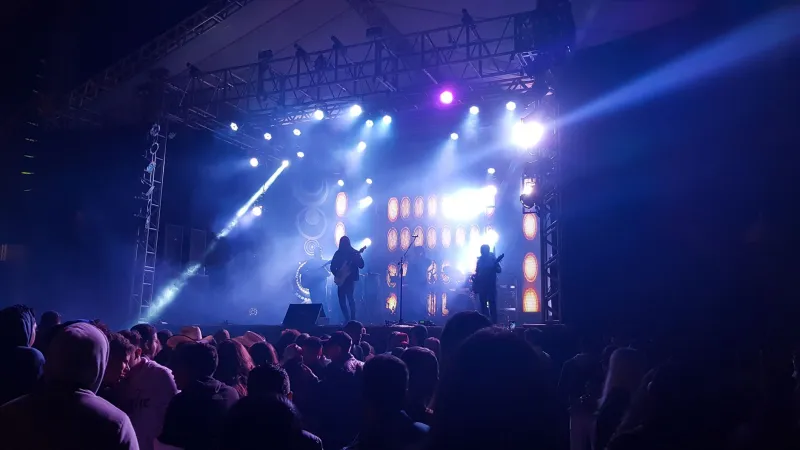
Look closely at any major tour announcement this summer and you'll spot it: the fine print. Presented by a bank you've never set foot in. Powered by a wireless carrier. In partnership with a fintech app that promises to change your life. The artist's name is in huge letters, sure — but the real cast of characters financing the whole operation lives in the sponsor block at the bottom of the flyer.
Live music has quietly become one of the most sponsor-dependent industries in American entertainment, and most fans have no idea how deep the money goes.
The Naming Rights Arms Race
Start with the buildings themselves. The venue where your favorite act plays probably doesn't carry the name of a music legend or a beloved local promoter. It carries the name of an insurance company, an airline, or a regional bank. Spectrum Center. CFG Bank Arena. Xfinity Theater. These aren't accidents — they're real estate deals with seven and eight-figure annual price tags.
Naming rights on major arenas routinely run $2 million to $10 million per year, and the biggest deals blow past that. When a tech company or financial institution slaps its logo on a 20,000-cap room, it's buying something advertising can't: repeated, emotional association with the best nights of people's lives. You remember the encore. You remember the arena's name.
For artists and promoters, that sponsorship money is what makes the building affordable to book in the first place.
Following the Money Up the Poster
Venue naming is just the base layer. Tour-level sponsorships — the presented by deals — can add millions to an artist's guaranteed payout before a single ticket sells. A brand pays for logo placement on stage screens, VIP lounge branding, email blasts to the fan list, and increasingly, integration into the show itself. Ever noticed the sponsor-branded photo op in the concourse, or the free drink coupon that requires downloading an app? That's the deal working.
For mid-tier artists, these deals can be the difference between touring profitably and losing money. Production costs for an arena tour are brutal — trucks, crew, lighting rigs, insurance. A sponsorship check of $1-3 million can cover a meaningful chunk of that overhead, letting the artist keep more of the ticket revenue.
The brands aren't being charitable. They're buying access to a captive, emotionally primed audience that streaming and social media can't replicate. Nobody skips a sponsor banner the way they skip a pre-roll ad.
So Are Fans Paying for It?
Here's the uncomfortable question: if sponsors are pumping money into the live business, why do ticket prices keep climbing?
The honest answer is that sponsorship money doesn't flow to fans — it flows to margins. Promoters and artists use sponsor dollars to pad guarantees and cover costs, but market demand sets the price. When a tour can sell out regardless, nobody passes the savings along. In fact, some economists argue sponsorships enable higher prices by letting promoters bid up guarantees, which then get recouped through dynamic pricing, platinum seats, and fees.
There's also a subtler cost: your data and your attention. Many modern sponsorship packages include fan data collection — the contest entry, the app download, the cashless payment system that links your card to your seat. The ticket price is only part of what you're paying.
The Tech Money Wave
The newest entrants are changing the game again. Financial apps, crypto platforms (before the crash, anyway), and streaming services are outbidding traditional sponsors like soft drink companies and car dealerships. These companies don't need brand awareness the old way — they need user acquisition, and a touring act's fanbase is a targeted lead list.
That's shifting leverage. An artist with a devoted fanbase isn't just selling logo placement anymore; they're selling measurable conversions. And the more valuable the artist is to the sponsor, the more the sponsor shapes the tour experience — the layout, the upsells, the app you're nudged to download at the door.
What It Means Going Forward
None of this is necessarily sinister. Sponsorship money keeps mid-level touring alive, subsidizes festival lineups that couldn't exist on ticket sales alone, and gives developing artists a revenue stream that doesn't require a label. The live industry's post-pandemic boom was financed in large part by brands desperate to reach people in person again.
But fans deserve to see the whole picture. When you buy a $150 ticket and a $9 beer, you're also a marketing asset being monetized several times over — by the venue, the promoter, the artist, and the bank whose name is on the building.
The next time a tour poster drops, read the whole thing. The biggest stars on that poster might not be the ones holding the microphone.